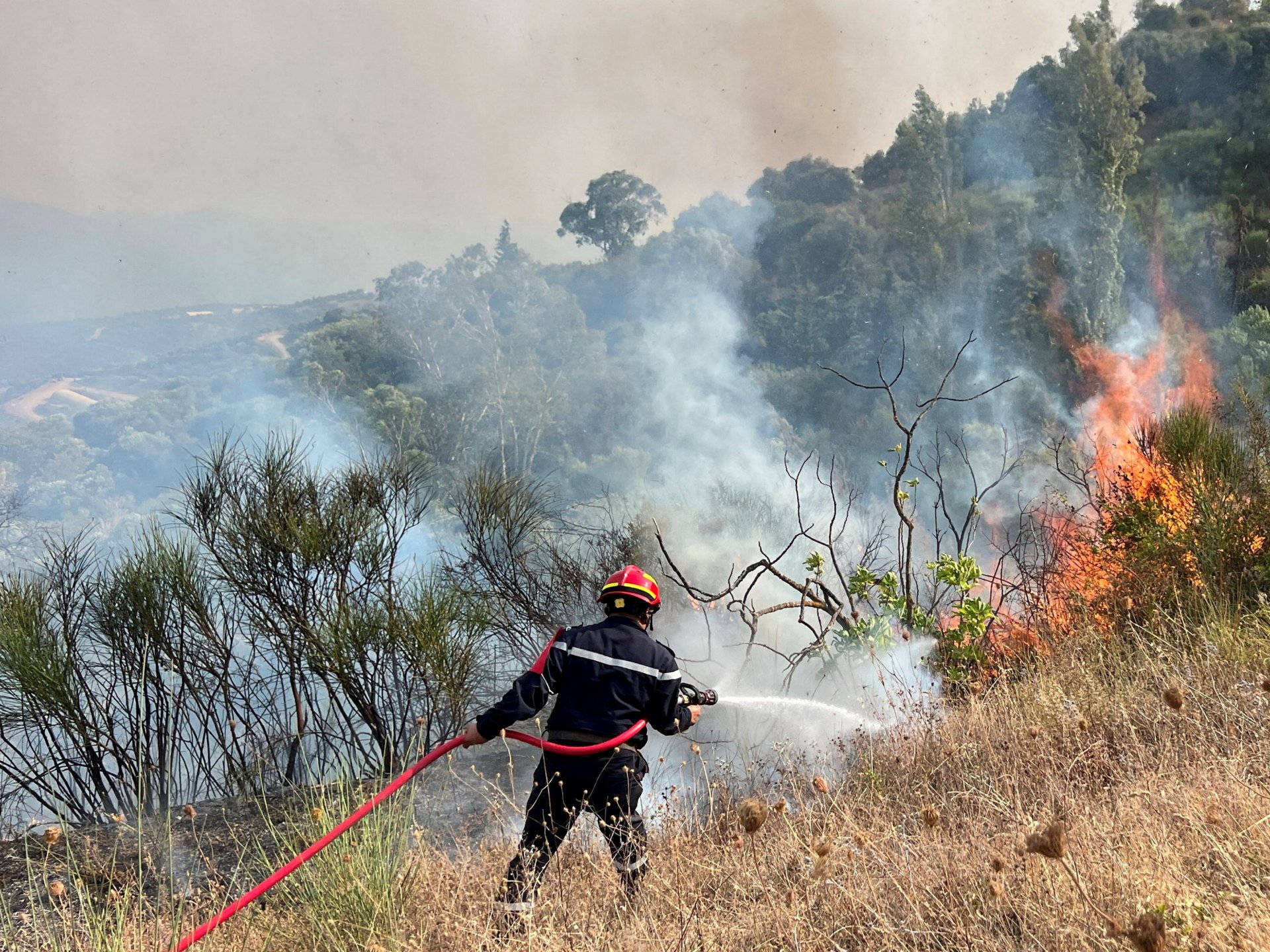
Algeria wants to punish people who deliberately set forests on fire with the harshest penalty in its law. The lower house of parliament, the People’s National Assembly, has adopted a bill that provides for the death penalty for forest arsonists. This step toughens criminal policy in a country that has watched huge stretches of forest burn almost every summer in recent years, often with deadly results.
Algiers has been building toward this measure for some time. The fires of August 2021, mainly in Kabylie, left about 90 people dead, soldiers sent to fight the flames among them, and shook the whole country. Deadly fires followed in 2022 in the east, around El Tarf, and again in 2023. Each time, the authorities blamed criminal hands at least in part. Each time, the public demanded firm action against those responsible.
The death penalty itself is less new than it looks. It already exists in Algerian criminal law, but the country has not carried out an execution since 1993, under an unofficial moratorium that is still in place. Courts keep handing down death sentences, and in practice they are not carried out. The bill’s message is therefore mostly political and deterrent: the state shows it is treating forest fires as a matter of national security, not just environmental damage.
Human rights organizations see things differently. They warn that widening the list of crimes punishable by death goes against the global trend and does not address the real causes of the fires. Those causes include rising temperatures, prolonged droughts, a shortage of firefighting equipment and poor forest management. Critics also point out that in a crisis, the hunt for culprits can lead to excesses. The lynching of a young man wrongly accused of setting fires in 2021 remains a painful example.
The bill still has to go through the Council of the Nation, the upper house of parliament, before it can be promulgated. Its passage there looks like a formality. The real test comes in the summers ahead: whether the harsher penalties actually cut the number of fires, or whether the problem stays mainly one of climate and the ability to respond on the ground.
Sursă text și foto: Al Jazeera — articolul original