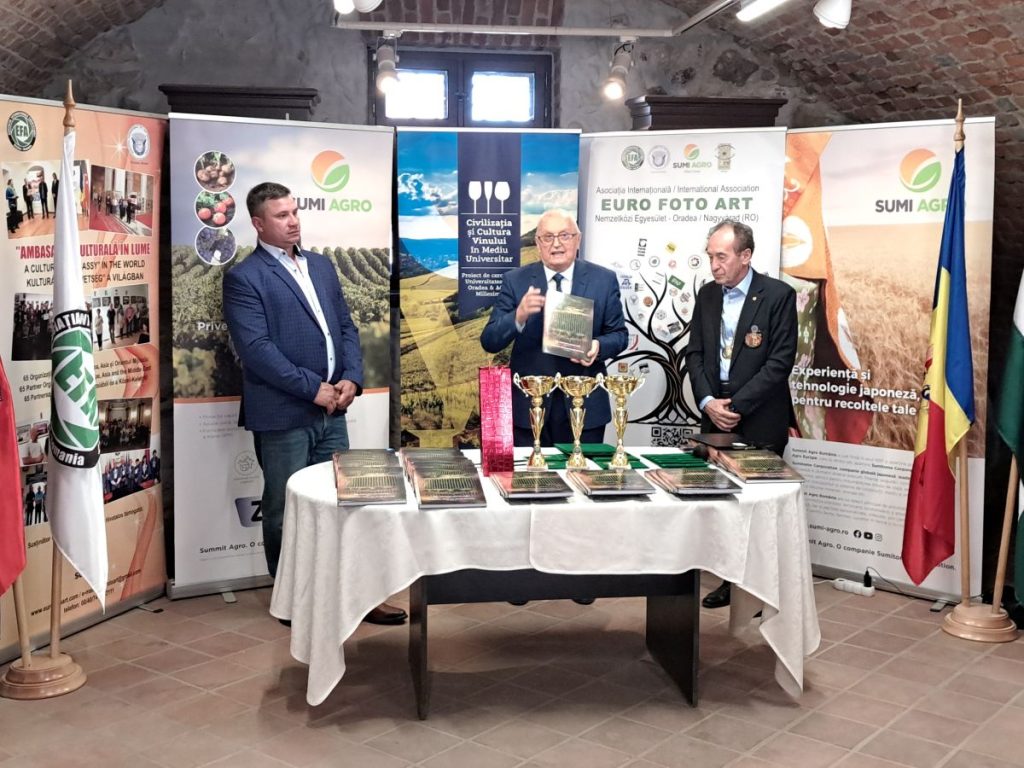
Cetatea Oradea a găzduit duminică vernisajul celei de-a patra ediții a salonului internațional „Via, vinul și bucuria de a trăi”, un proiect fotografic care a reușit, în cinci ani, să transforme via românească într-un subiect de interes pentru artiști din nouă țări. Evenimentul, organizat de Asociația Internațională Euro Foto Art împreună cu Asociația pentru Cultura și Civilizația Vinului Millesime, a coincis cu Ziua Națională a Gastronomiei și Vinului Românesc și a marcat lansarea celui de-al patrulea volum al albumului omonim.
Ceea ce a început ca o inițiativă culturală locală a ajuns, în cinci ani de susținere din partea Summit Agro România, să primească recunoașterea Federației Internaționale de Artă Fotografică, organizație acreditată de UNESCO. Faptul că proiectul s-a dezvoltat de la Oradea către recunoaștere internațională arată cum sprijinul constant al unui partener privat poate scoate o manifestare culturală din anonimat și o poate pune pe harta marilor saloane fotografice.
Dincolo de componenta artistică, parteneriatul are o logică economică clară: compania, parte a grupului japonez Summit Agro, își promovează astfel portofoliul de soluții pentru protecția plantelor destinate viticulturii, folosind imaginea viei și a vinului românesc ca vehicul de brand. „Mă bucur să fiu astăzi alături de voi și să reprezint Summit Agro România la cea de-a patra ediție a salonului internațional «Via, vinul și bucuria de a trăi»”, a spus Vasile Pop, director de zonă pentru Transilvania în cadrul companiei, care a felicitat artiștii premiați.
Expoziția de 25 de lucrări reunește fotografi din România, Canada, Egipt, Japonia, Marea Britanie, Republica Moldova, Serbia, Ucraina și Ungaria, ale căror imagini urmăresc via din primăvară până la recoltă. Președintele Ștefan Toth AFIAP a subliniat că fiecare cadru a cerut deplasări repetate la fața locului, pentru a prinde exact momentul potrivit din ciclul viticol – o muncă mai apropiată de documentarul de teren decât de simpla fotografie ocazională.
Pentru Bihor, județ cu o tradiție viticolă proprie în zona de nord-vest a Transilvaniei, un astfel de eveniment găzduit chiar la Centrul Millesime din Cetatea Oradea confirmă rolul orașului de punct de întâlnire între cultură, afaceri și tradițiile agricole regionale.
Sursă text și foto: Transilvania Business — articolul original